
Practice Management
Informed Consent Conversations for Acupuncture and TCM
Informed consent is an ongoing conversation, not only a signature on intake. For acupuncture clinics, covering risks, alternatives, and questions in everyday language reduces complaints and strengthens charts.
Table of Contents
Elements of Informed Consent
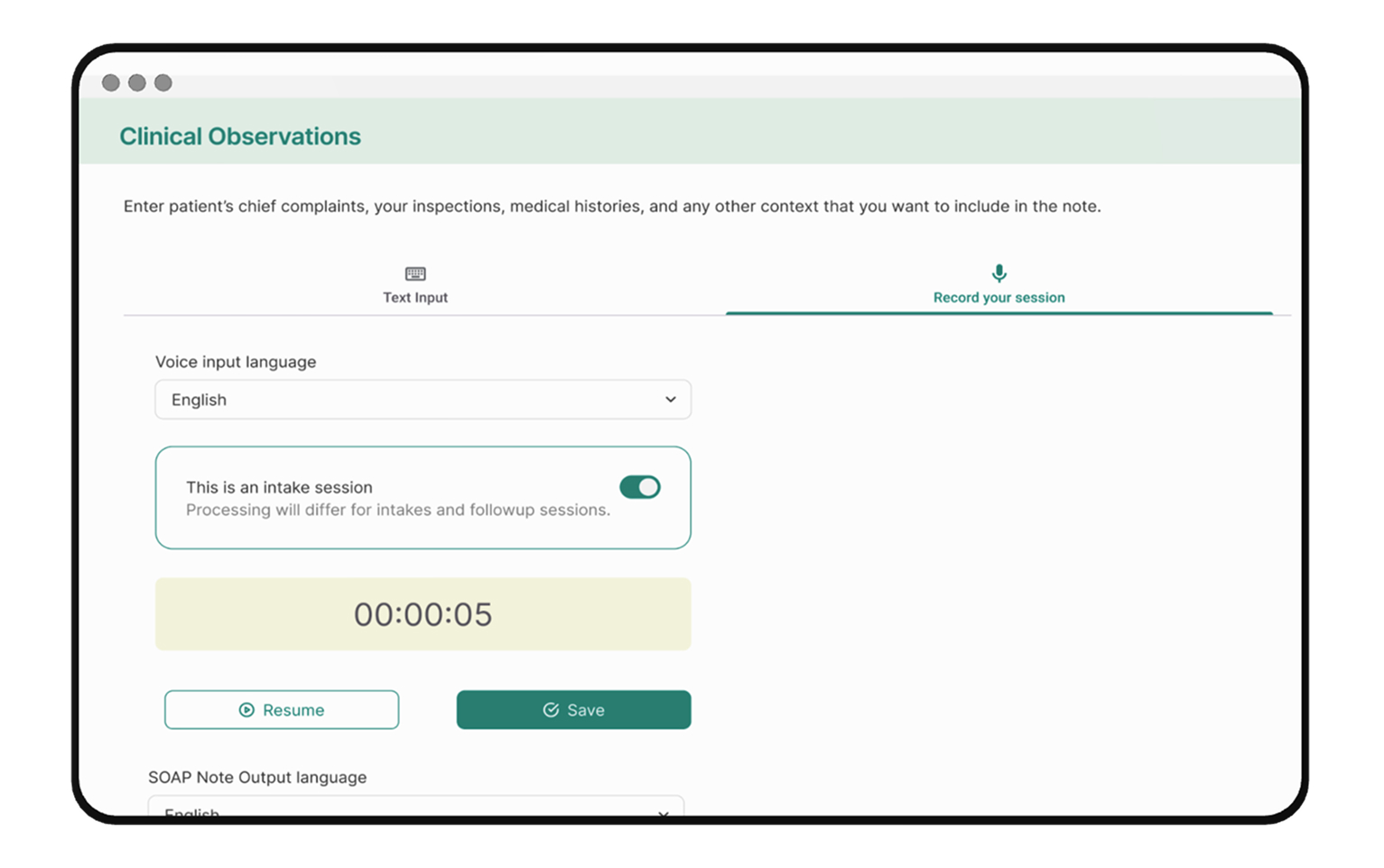
Patients need understandable information about proposed treatment, material risks (bruising, fainting, pneumothorax rare but serious), reasonable alternatives, and the right to refuse or stop. Document that discussion occurred.
Discussing Needling and Adjunct Modalities
Separate consent for cupping, moxa, electro-acupuncture, or bleeding techniques when first introduced. Explain aftercare (e.g., cupping marks, moxa smell) so patients are not alarmed.
Consent for Herbs and Topicals
Review allergy history, pregnancy status, and concurrent pharmaceuticals. Note when patients decline herbs despite recommendation.
Pregnancy, Pediatrics, and Sensitive Areas
Use extra documentation for high-attention scenarios: pregnancy trimester, pediatric assent, treatment near breast or groin regions. Chaperone policies should be written and followed consistently.
Charting Consent in SOAP Notes
Short Plan line: “Risks/benefits of acupuncture discussed; patient verbalized understanding and consented to treatment.” Link to signed intake or e-consent in your EMR when available.
Streamline your acupuncture documentation
Aura Cure EMR helps TCM clinics draft structured SOAP notes, track tongue and pulse trends, and share clear treatment plans—with HIPAA/PIPEDA/GDPR-oriented privacy controls.
Start Free TrialRelated Articles
Patient Communication Tips for TCM Practitioners
Learn how acupuncturists can explain TCM concepts clearly, set expectations, and build trust during every patient encoun…
How Clinical Documentation Builds Patient Trust in Acupuncture Practices
Discover why thorough SOAP notes and shared visit summaries help TCM clinics build trust, retention, and referrals.…