
TCM Insights
How to Write Great SOAP Notes for Acupuncture Clinics
Strong SOAP notes protect your license, support reimbursement, and help you deliver consistent acupuncture care. This guide shows acupuncturists and TCM practitioners how to document visits clearly—without spending your evening at the keyboard.
Table of Contents
Why SOAP Notes Matter in Acupuncture
In acupuncture and Traditional Chinese Medicine (TCM), your chart is the record of pattern identification, point selection, and patient response over time. Regulators, insurers, and referral partners expect structured clinical notes. SOAP (Subjective, Objective, Assessment, Plan) gives you a familiar framework that works for both biomedicine and Chinese medicine.
Great notes help you:
- Track whether a Liver Qi stagnation presentation is shifting toward deficiency
- Justify continued care and treatment frequency
- Communicate with MDs, physiotherapists, and other providers
- Onboard locums or associate acupuncturists quickly
The SOAP Structure for TCM Visits
Adapt SOAP to TCM without forcing Western language where it does not fit:
- Subjective: Chief complaint, history, aggravating/relieving factors, sleep, digestion, emotions, prior treatments
- Objective: Vitals if taken, inspection (tongue, complexion), palpation (pulse, abdomen, channels), ROM or orthopedic tests when relevant
- Assessment: TCM pattern(s), stage (excess/deficiency, interior/exterior), prognosis notes
- Plan: Points and techniques, herbs or lifestyle, frequency, home care, follow-up timing
Writing a Useful Subjective Section
Lead with the patient’s words, then organize by system. Use quotes for pain descriptors (“burning along GB34”) and quantify when possible (0–10 scale, frequency per week). Document what changed since the last visit in the first two sentences so you never hunt through old charts.
Avoid vague entries like “feels better.” Prefer: “Reports 40% reduction in headache intensity; still 2 episodes/week, worse with screen time.”
Objective Findings: Points, Tongue, and Pulse
List needle points with laterality, depth, technique (tonify/sedate), and retention time. Note auricular or electro-acupuncture settings when used. For tongue and pulse, use consistent descriptors (e.g., pale body, thin white coat; wiry pulse left guan) so you can compare visit to visit.
Assessment and Plan That Drive Results
Tie assessment directly to plan: “Liver Qi stagnation with Spleen deficiency—continue weekly acupuncture, add ST36 + SP6, review dietary recommendations, reassess in 3 visits.” Include safety flags (pregnancy, anticoagulation, pacemaker) in the plan when they affect treatment.
A Weekly Documentation Workflow
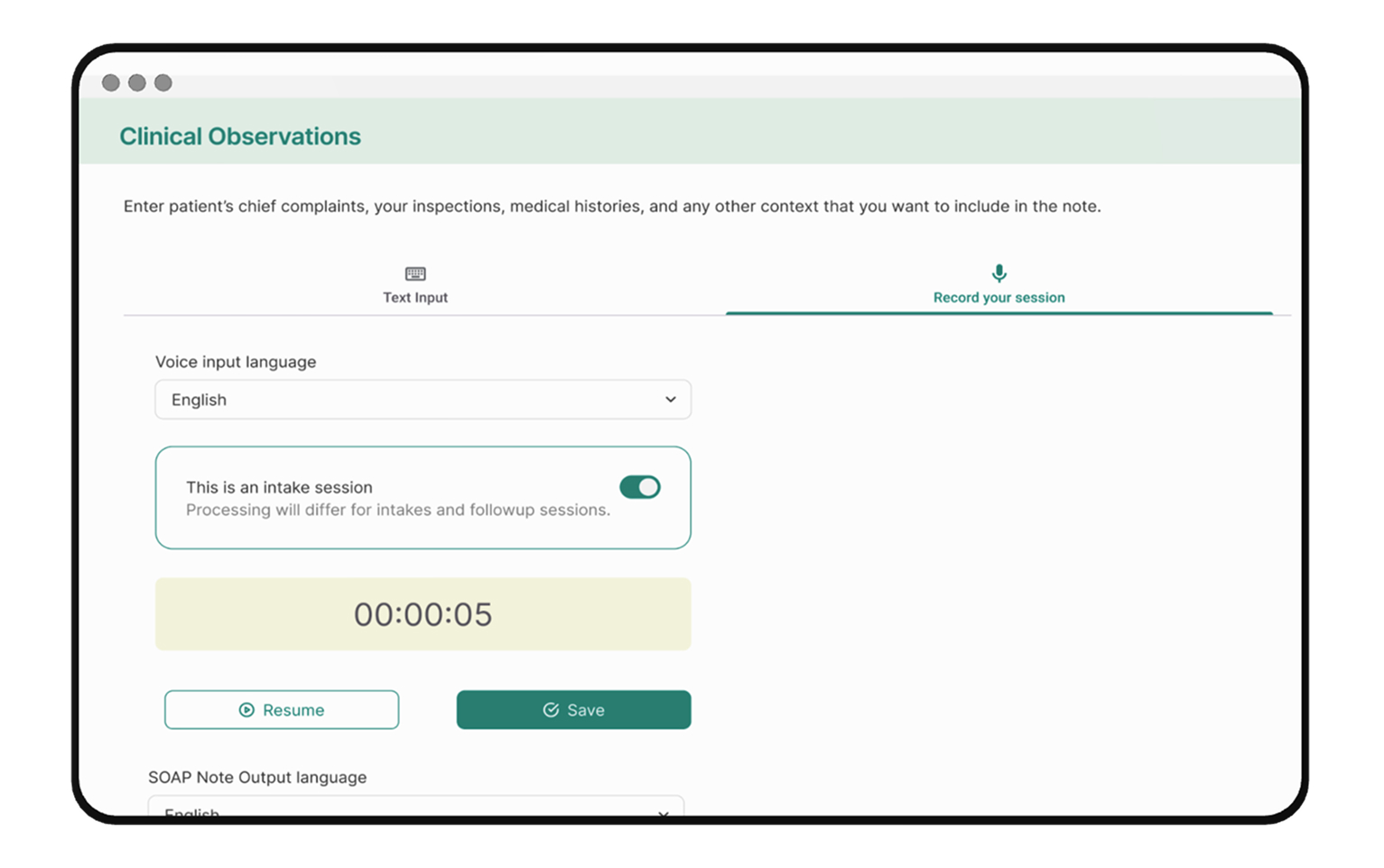
Complete notes within 24 hours while memory is fresh. Use templates for common patterns (pain, fertility support, stress/anxiety) and customize the assessment line. EMR tools with AI-assisted SOAP drafting can turn brief visit bullets into structured notes—then you edit for accuracy before signing.
Documentation should support the treatment room, not compete with it. When SOAP becomes habit, your charts become one of your strongest clinical assets.
Streamline your acupuncture documentation
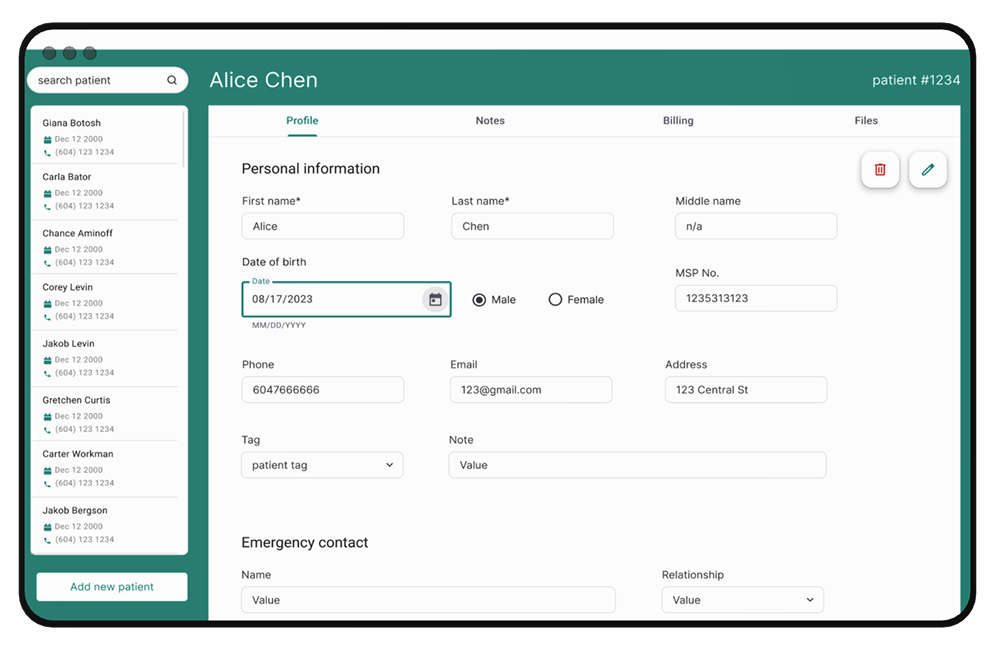
Aura Cure EMR helps TCM clinics draft structured SOAP notes, track tongue and pulse trends, and share clear treatment plans—with HIPAA/PIPEDA/GDPR-oriented privacy controls.
Start Free TrialRelated Articles
Patient Communication Tips for TCM Practitioners
Learn how acupuncturists can explain TCM concepts clearly, set expectations, and build trust during every patient encoun…
Documenting Tongue and Pulse Findings in SOAP Notes
Standardize how you record tongue and pulse in acupuncture SOAP notes for clearer pattern tracking and team consistency.…